
The Familial Role in the Struggle of Our Young Men

Alumni Family Lunch in Greenville, South Carolina
February 28, 2020
How Canine Therapy Can Help Us Heal
March 5, 2020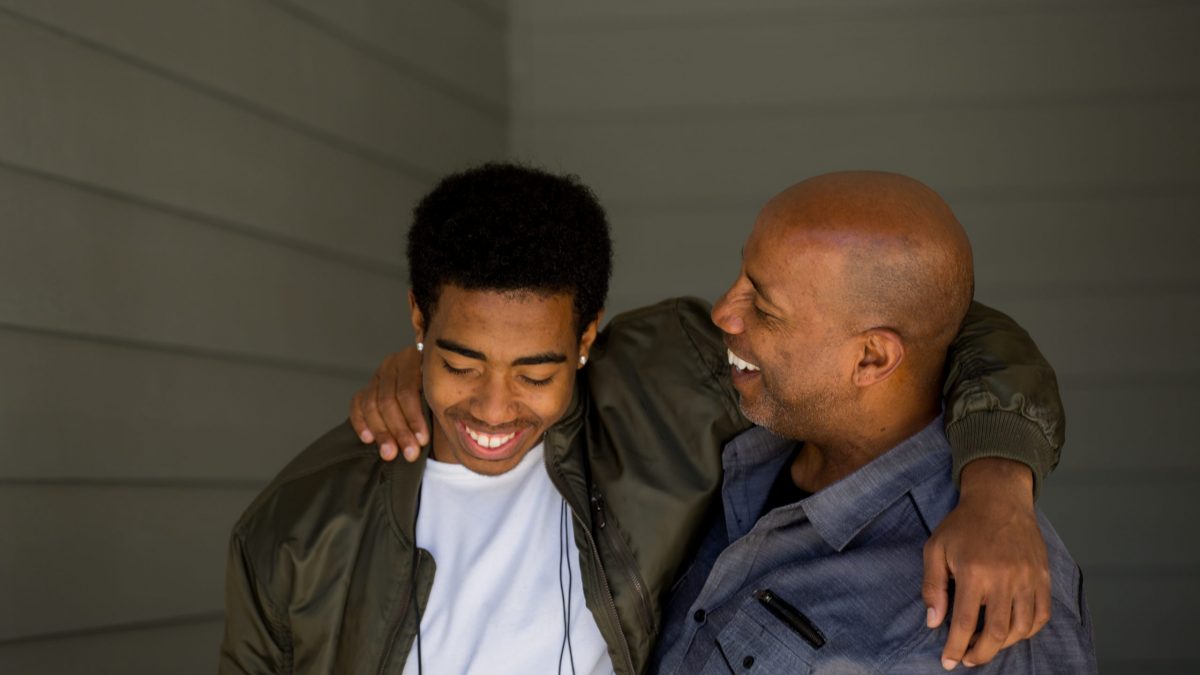
As a boy grows into his late teens and then into a young man, there are a lot of new developments in their lives that cause stress and potentially trauma, thus leading to struggle. This is a fact of life, that as we get older, the challenges we face become all the more real. The pressure to fit in with peers, get good grades, go to college, succeed in college, do well in athletics, the list goes on. These very human issues, when combined with addictive behaviors, mental health issues, and/or trauma, can result in some rather dire consequences for our loved ones. The problems our young men face, as well as the ways they cope, are nothing new to us. What has also stayed relatively the same, is the substantial role that the family plays in providing a loving, understanding, and supportive atmosphere to help our loved ones walk through their struggles.
The Frontlines of Battle
The family unit has long been one of the most important influences that young boys and men have in their lives. Mothers, fathers, grandparents, brothers, sisters, extended relatives, and close family friends all are a part of the family unit and hold great influence over our loved ones. From birth to adulthood and beyond, our families are there, for better or worse. When things get hard, our families are right on the front lines. Whether it is the mother, seeing her baby boy go down the dark path, or a sibling having to deal with the shock of seeing their kin going through the wringer, addictive behaviors and mental health issues take their toll on the entire family structure. From the long, sleepless nights spent wondering if they’re going to come home to the intrusive thought whenever you get a phone call from an unrecognized number, the thought that it is someone calling to report the worst of news about a son. The fear, sadness, and anger we hold towards our loved ones for putting us through this are unavoidable. It is the other front of the war that is being fought by our family.
Two Fronts on the Same Side
Unfortunately, much like war, there is not a definitive cure-all that exists that can grant us 100% immunity or serenity from the struggles we face as the family. On one front of this war is the person who is struggling with their addictive behavior and/or mental health issues; on the other side is the family. The family receives the brunt of many trespasses on behalf of the son, and at times it may feel as if the two sides are on opposite sides. This is true to some extent; the family is not who is struggling with substances or mental health issues, and instead receive the majority of the external damage that is caused. That said, it is imperative to keep in mind that the loved one struggling and their family are on the same side. Where there was love, there is now hatred. Where there was serenity, there is now discord. Where there was hope, is now despair. As the scales of this metaphorical war tip and our loved one begins to stray further down the path, this is the time when the family must strengthen resolve, and seek to sow the seeds of love, support, and understanding. The family unit is crucial in support of those struggling with all matters of difficulties and should be aware of the necessity of continued support through a young man’s struggle.
How Can the Family Help?
The family can play a variety of roles with our young men, both negative and positive. There are some definite dos and don’ts below that can help when dealing with addictive behaviors and the mental health of our loved ones.
DO
- Unconditionally love them. The last thing anyone who is struggling needs is to feel as if they have been left out to dry or abandoned. This is possibly the hardest piece of the puzzle to maintain, as it requires fostering love when another person can be making it hard to do so.
- Maintain a large degree of patience. Dealing with our loved ones is a difficult task and requires the utmost patience with those who are suffering, as well as with ourselves should we fall short.
DON’T
- Enable harmful behavior. With substance use and mental health issues, it can be instinctual as a family member to want to do anything and everything to rid our loved one of their struggle. Support is crucial, however, there comes a point when we may have to set a boundary with our loved one.
- Put them down or exclude them. Addictive behaviors are a challenge for everyone involved, and pushing those going through the struggle away from the family unit can do more harm than any perceived peace it might bring. It can foster feelings of loneliness, depression, and cause the spiral to continue downward. Without the family there to catch them when they fall, they may end up flat on their faces with more problems than may have originally been present.
Addictive behaviors and mental health issues are oftentimes a new battle that has not been faced before. Through it all, keep in mind the main goal: helping our loved one overcome. There can and will be a time when all seems lost, as well as times where the journey seems to be nearing its beautiful conclusion. There is no amount of knowledge or research that can fully prepare us for the twists and turns that this road may take us on. If the family approaches young men with love, understanding, and patience, we can give them their best shot at a full and blessed life.
Is your loved one struggling, leaving you clueless as to what the next step is? If you or your loved one’s need matches the level of care and support that we offer at Capstone Treatment Center, we hope to be that answer for you. Call 855-956-2234 and find out what Capstone can do for you.