
The Student-Athlete and the Struggles They Face

Marijuana: What’s the Real Harm?
March 11, 2020
Preparing for Difficult Conversations with Your Son
July 29, 2021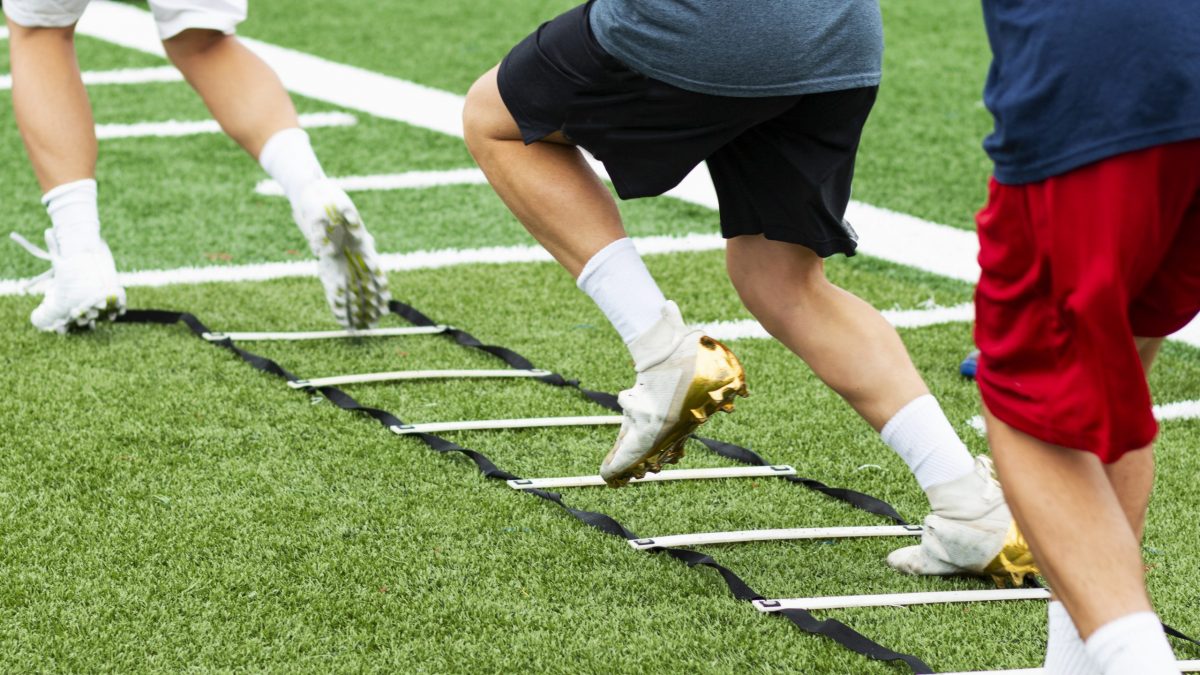
In the United States, it is estimated that over 50% of high school students play sports. The student-athlete is one of the most common American norms there is. Even so, an often overlooked aspect of the prevalence of student-athletes is the effect that being a student-athlete has on a young man’s development, and how some negative consequences can arise as a result.
The Grind
Early workouts before school, hours spent after school perfecting their craft; a day in the life of a student-athlete is busy and long. By and large, being a student-athlete has many good things associated with it. Sports teach camaraderie, sportsmanship, hard work, and dedication, as well as a litany of other life lessons. The good that comes from being involved with sports is undeniably greater than any negative, however, there is a negative side of things that fails to be addressed.
The Pressure to Succeed
When a student spends almost the same amount of time honing their craft on the field as they do in the classroom, a lot of internal weight is placed on successes and failures that occur in the realm of sport. Get bigger, faster, stronger, or get left behind is the driving dialogue that is reinforced on TV, but can also come from coaches, parents, and friends. The level of pressure that is placed on amateur sports is detrimental to the long-term mental health of any athlete of a young age. Managing the task of being a student, worrying about fitting in with peers, figuring out how to be a functioning human being; this is already a hard enough task without the added stress that can be brought on by sports. Understanding the human brain as we do now gives a clear indication that these stresses in part play a role in the increases in mental health diagnoses that are being seen in young men and teens across the country. It is also tied into a surge of a type of psychology that focuses directly on sports. How to manage life with sports, how to perform at a high level while also not neglecting much-needed things, such as rest and recovery, how to properly fuel not only an athlete’s body but the brain as well. These types of things allow for healthier management of the “grind” that student-athletes face but it is important to understand that these are teens and young men, still figuring out the world. The last thing that is needed is for an excess of stress placed in their life to perform at a level that is deemed acceptable to those other than the athlete themself.
Athletic Performance and Self-Worth
When committed deeply to any cause, it is only natural that one places some sense of their self-worth on how they perform. With sports, the level of physical and mental commitment is no different, and when performing well, there is great joy and positive perception of one’s abilities. When performing poorly, there is an equal and opposite internal reaction that tends to occur. If there are issues outside of sports that are troubling a teen, athletics ends up being an escape from the rest of the world. When that escape is now causing internal stress as well, it can lead to quitting, lack of effort, or disrespect to teammates and coaches. Much like is taught about bullying, these negative behaviors are merely a reflection of a teen’s lack of self-worth. This is quite frankly perfectly normal in some capacity. The greatest athletes in the world have dealt with mental health issues as a result of their participation in sports. What they learn to do though, is manage the stress and build a life outside that of athletics.
Ways to Manage
There are many ways to deal with the stresses of being an athlete at a young age. A growing field of mental health treatment revolves around analyzing the cognitive aspect of athletics. If going to see a sports psychologist is not in the cards, there are a few ways to cultivate healthy boundaries around the student-athlete balance, as well as maintain confidence independently of sport.
- Utilize downtime to focus on self-care. Reading a book, exercise for the fun of it rather than athletic goals, hanging out with friends and family. Building a life outside of sports and school allows for an emotional outlet beyond our competitive area.
- Foster a short-term memory regarding performance. Slowly but surely, reaffirming oneself that our worth is not tied to the way we perform on the field, there will be a greater capacity to let the bad emotions go. This is difficult and likely cannot be done alone. Seek to build supportive relationships with those around you; family, friends, and coaches are great influences to help build this environment.
- Organization is key! Overwhelming amounts of school and life commitments can lead to feeling increased pressure. Keep school a priority, and refrain from procrastinating as much as possible. Sports are meant to be an additional part of the growing experience of life, not a source of further stress.
As a teen or young adult grows, there is a lot of life left to live. Allowing the stress and pressure of that life manifest as negative behavior is the opposite of the goal. Being a student-athlete is challenging, but it is also one of the greatest joys a young man can experience. To slip into addictive behaviors or suffer a mental health issue as a result of something as inherently good as athletics would be a great disservice to a young man finding his place in the world.
At Capstone Treatment Center, we realize the benefits of physical activity and the positive effects it has on the human body. As part of a multi-faceted approach to recovery, athletic endeavors can save our loved ones’ lives. It’s one of the many reasons why we are among the best rehabs for young adults. For more information, call 855-956-2234 and find out if your needs meet the level of care provided at Capstone.